On 25 March 2026, Ghana stood
before the UN Security Council and named what centuries of diplomatic silence
refused to — the Transatlantic slave trade as the gravest crime against
humanity. I write this from Lisbon, Portugal — a country that abstained from
that vote, and a country that started the slave trade.
Colonialism has never been a shared
story. For some, it built empires, accumulated wealth, and cemented decades of
global power. For others, it meant dispossession, trauma, and impoverishment
that persist to this day. Nowhere is this divergence more starkly written than
in the history of the Transatlantic slave trade — a four-century forced
migration that fundamentally reshaped the global economy and left enduring
scars across Africa and its people. Africans and indigenous populations
suffered extraordinary psychological trauma, sexual violence, and economic
devastation at the hands of European colonial powers. Yet for centuries, this
crime was met with historical distance rather than moral clarity — and for many
powerful nations, that distance remains a deliberate choice.
Transatlantic Slave Trade
The Transatlantic slave trade was
not merely a historical transaction but a barter trade used to buy human slaves
by giving other resources like ships, cotton, etc. It was the largest forced
displacement of human beings in recorded history, spanning nearly 400 years —
approximately 1517 to 1867.
The scale of atrocity is
staggering. Roughly millions of Africans were forcibly enslaved and transported
across the Atlantic. During the journey, a few died due to inhuman conditions
during long voyages.
The geographic distribution of
enslaved people reflects the breadth of this system: two-fifths were taken to
Brazil, the largest single destination; then to the British, French, Spanish,
and Dutch Caribbean; and the remaining to British North America, the future
United States.
A Triangular Trade
The Transatlantic slave trade
operated as a three-part economic loop — a system of structured exploitation.
From Europe to Africa, merchants
exported manufactured goods in exchange for
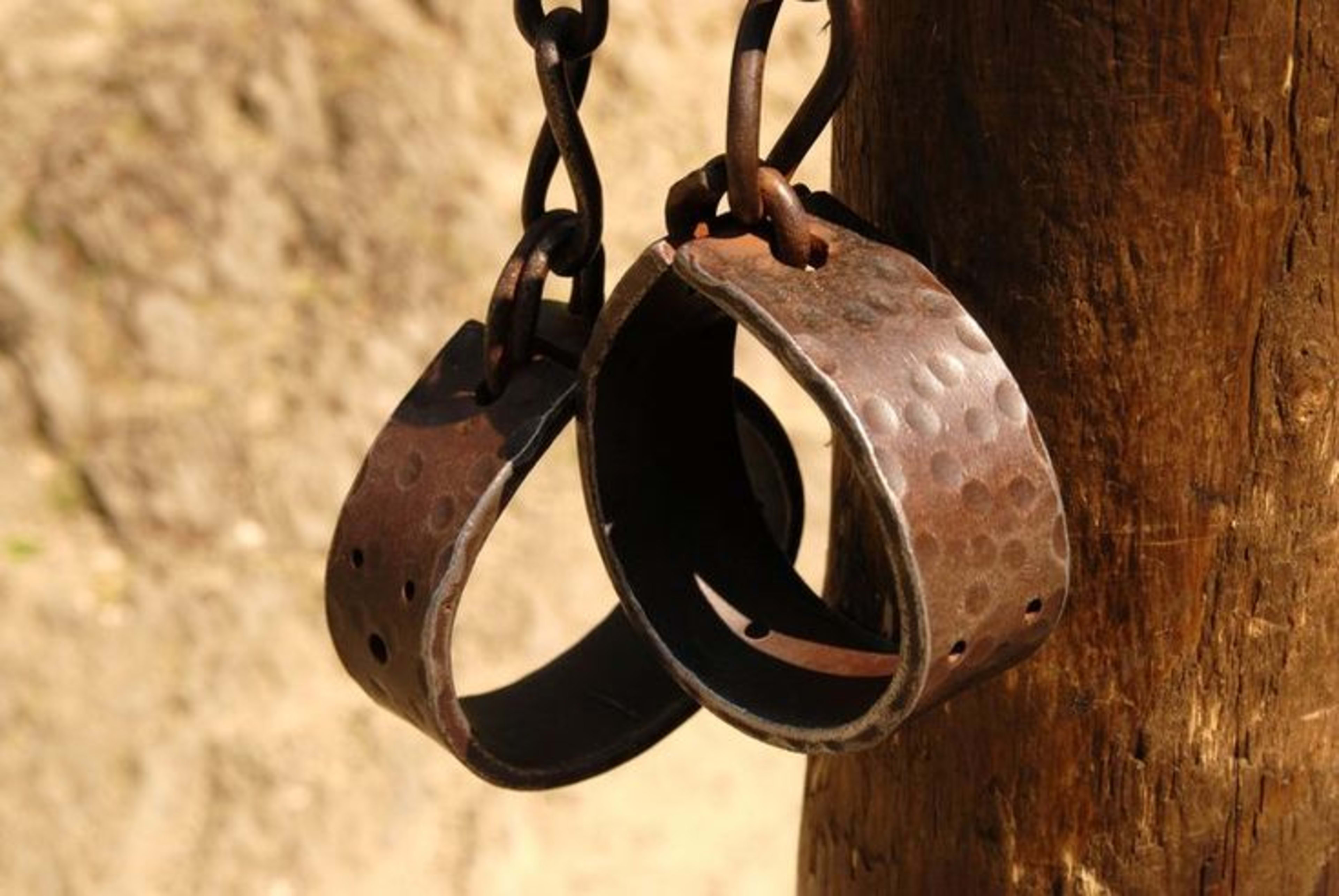
enslaved African people. The Middle Passage that followed was a nightmare of
deliberate inhumanity. Enslaved people were packed into ships under conditions
that defied comprehension, their humanity systematically erased. From the
Americas back to Europe, ships returned carrying raw materials produced by
enslaved labour for plantations, generating
enormous wealth for European traders and merchants.
Divide: Development and Devastation
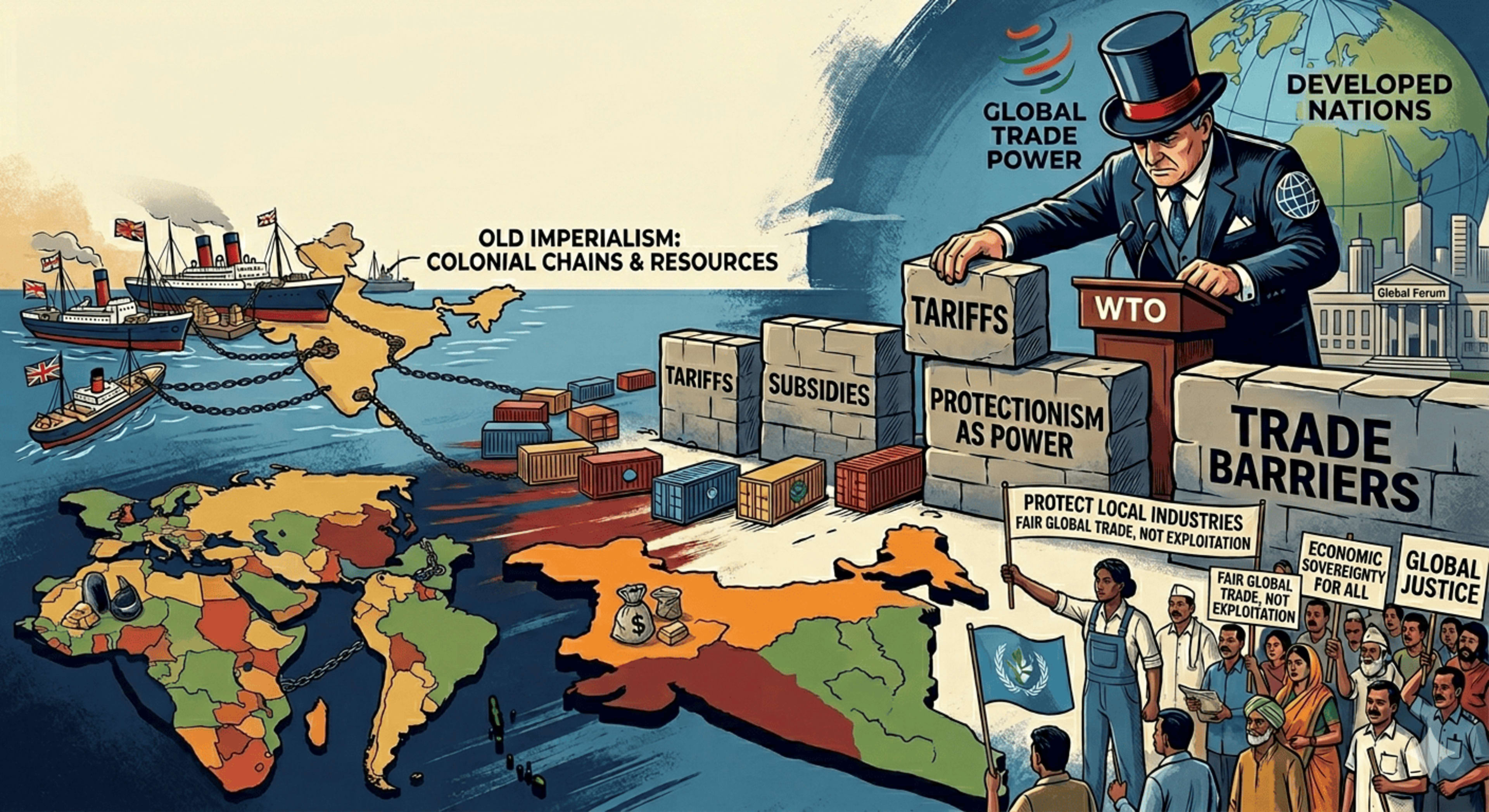
This economic system produced a
stark and enduring divergence.
The Western world prospered.
European wealth accumulated rapidly, fuelling industrialisation and the
comfortable modernity we associate with the West today. Africa suffered
profoundly. The continent endured centuries of internal conflict, crampled
economies, and suffered political instability. The extraction of more than 12
million people represented not only a loss of life but also lost knowledge,
leadership, and potential on a generational scale, which is not wrong to call a
huge brain drain event.
Nearly three centuries later,
slavery was formally abolished in 1888, but still Africa continues to grapple
with the structural legacies of this trade — poverty, political instability,
and resource exploitation — while the wealth extracted remains concentrated in
the Global North. The debt remains unpaid in the Global South.
Ghana's Resolution UN Resolution A/80/L.48
Ghana's resolution carries profound symbolic and political weight. Formal recognition by the United Nations Security Council places this truth in the permanent historical record — and creates a foundation for future accountability.
But the voting revealed Western
hypocrisy. The United States, Israel, and Argentina voted no. Most European
nations abstained — among them Portugal, the country that initiated the African
slave trade.
The resistance is not surprising.
For nations whose founding prosperity was built on this trade, acknowledging it
as the gravest crime against humanity requires confronting their own
complicity. The abstentions are particularly calculated — a refusal to defend
slavery openly, while refusing equally to accept responsibility for it.
Looking Forward: Accountability and Justice
The world's power dynamics are not
fixed. As geopolitical influence shifts, the question becomes: will future
generations — including those from Africa and formerly colonised regions — have
the power to demand not just acknowledgment but genuine reparations and
structural rebalancing?
The Transatlantic slave trade was
not an unfortunate chapter of the past. It was systematic, institutionalised
violence that produced the inequalities defining our present developed and
underdeveloped or developing world. Ghana's resolution is a necessary step
toward ensuring that this atrocity is neither forgotten nor repeated.
Footnotes:
[1] Footnote 1 text here...