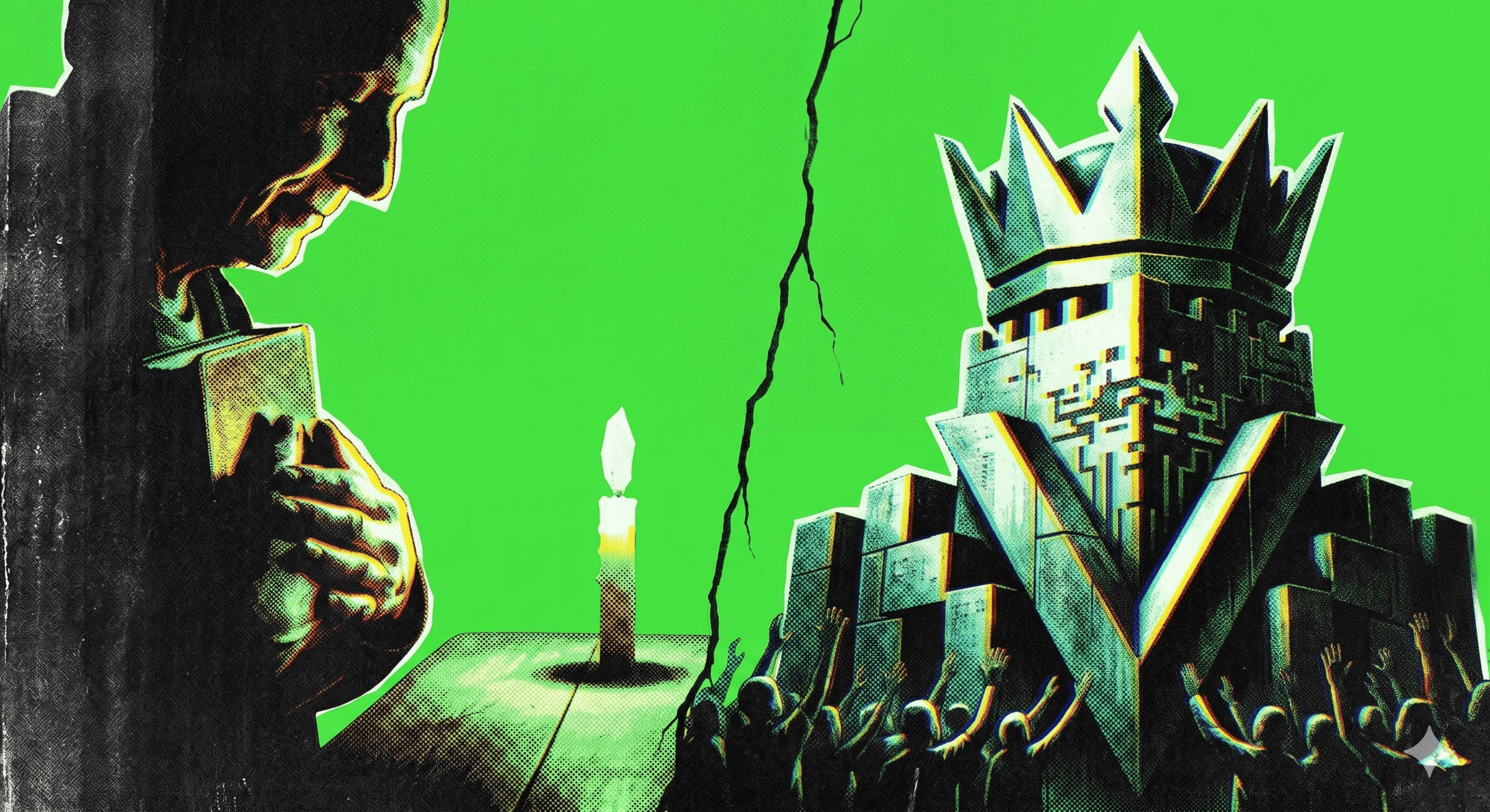
Religion, in its purest form, is a private sanctuary, a personal bridge between an individual and the divine. However, history and
current global events tell a much louder story. When the boundary between the
private pews and the public square dissolves, faith often ceases to be a source
of peace and instead becomes a tool for dominance.
The Weight of History
The struggle for religious dominance is not a new
phenomenon. We see it in the centuries-long friction between the European
powers and the Ottoman Empire, which was as much a theological clash
between Christianity and Islam as it was a territorial one.
In South Asia, the Two-Nation Theory fundamentally
altered the map, leading to the partition of India and Pakistan. This wasn’t
just a political disagreement; it was the institutionalization of religious
identity as a basis for statehood—a move that continues to define the region's
geopolitics today.
The Human Cost: Ethnic Cleansing and Forced Displacement
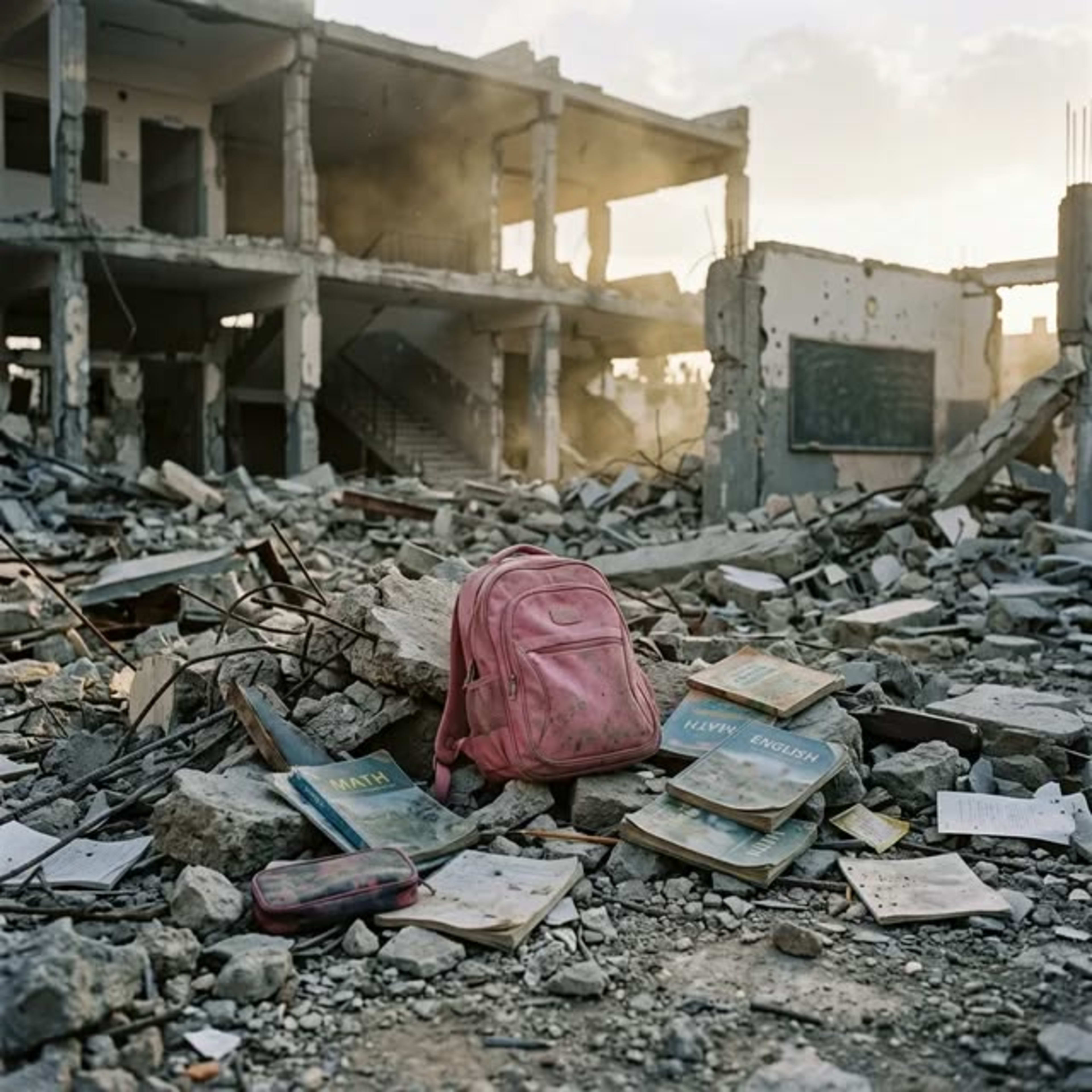
When religion is used to define "us" versus "them," the results are often catastrophic.- The Holocaust: A dark pinnacle of systematic genocide fueled by religious and ethnic hatred.
- The Rohingya Crisis: Today, we witness the influx of Rohingya Muslims from Myanmar into Bangladesh and India—a modern-day reminder that ethnic cleansing is not a relic of the past but a recurring nightmare.
The Intersection of Politics and the Digital Age
Even in nations that pride themselves on secularism, the "religious angle" is never far from the surface.
- Appeasement
and Vote Banks: Political parties often pivot toward religious
minorities or majorities to secure power, turning faith into a commodity
for the ballot box.
- The
Image of Power: We see this in the United States, where images of
leaders surrounded by people in prayer are displayed in public offices. The controversial
use of AI-generated religious imagery (like the Jesus-related posts by
Donald Trump) blurs the lines of faith and devotion. This isn't just
"faith"—it is the branding of religion to signal public
authority. America’s war with Iran (other in the West Asian region) is
particularly good to understand by the term petrochemical. But here the faith
is being used as a "tool" rather than being the actual cause.
The Path Forward: A Warning
The transition of religion from a private conviction to a
public weapon often leads to the same destination: extremism. Whether it
is a "secular" superpower engaging in West Asian conflicts with
religious undertones or local communal tensions, the pattern remains the same.
If history has taught us anything, it is that when religion
is forced into the public furnace of politics and war, it loses its sanctity
and becomes a flame that consumes everything in its path. For the future to be
different, we must return to the idea that faith belongs in the heart, not on
the battlefield. And never forget that every faith has to be respected.